Art
Holy Spirit

Holy Spirit
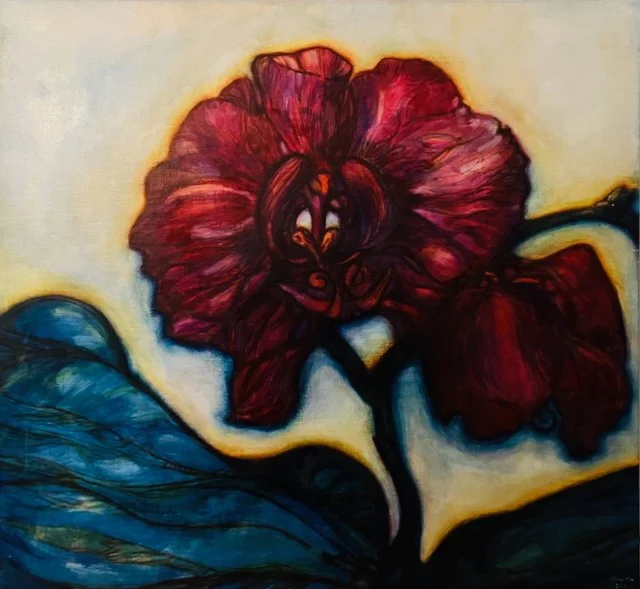
Title: Holy Spirit
Artist: John Frederick Cox
Dimensions: 48” x 52” [121.9 × 132.1 cm]
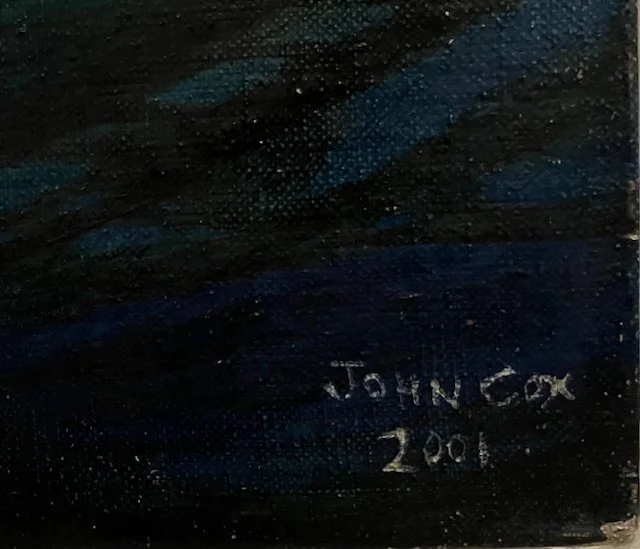
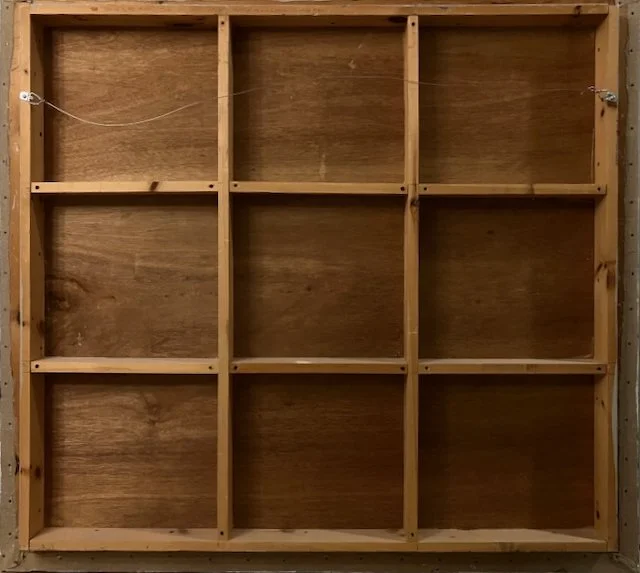
Description: Oil on canvas laid onto wood panel. Signed and dated (2001) at bottom right.
NOTE: This piece is both large and heavy. It will require special packing and shipping. Contact Gallery 18 for details.
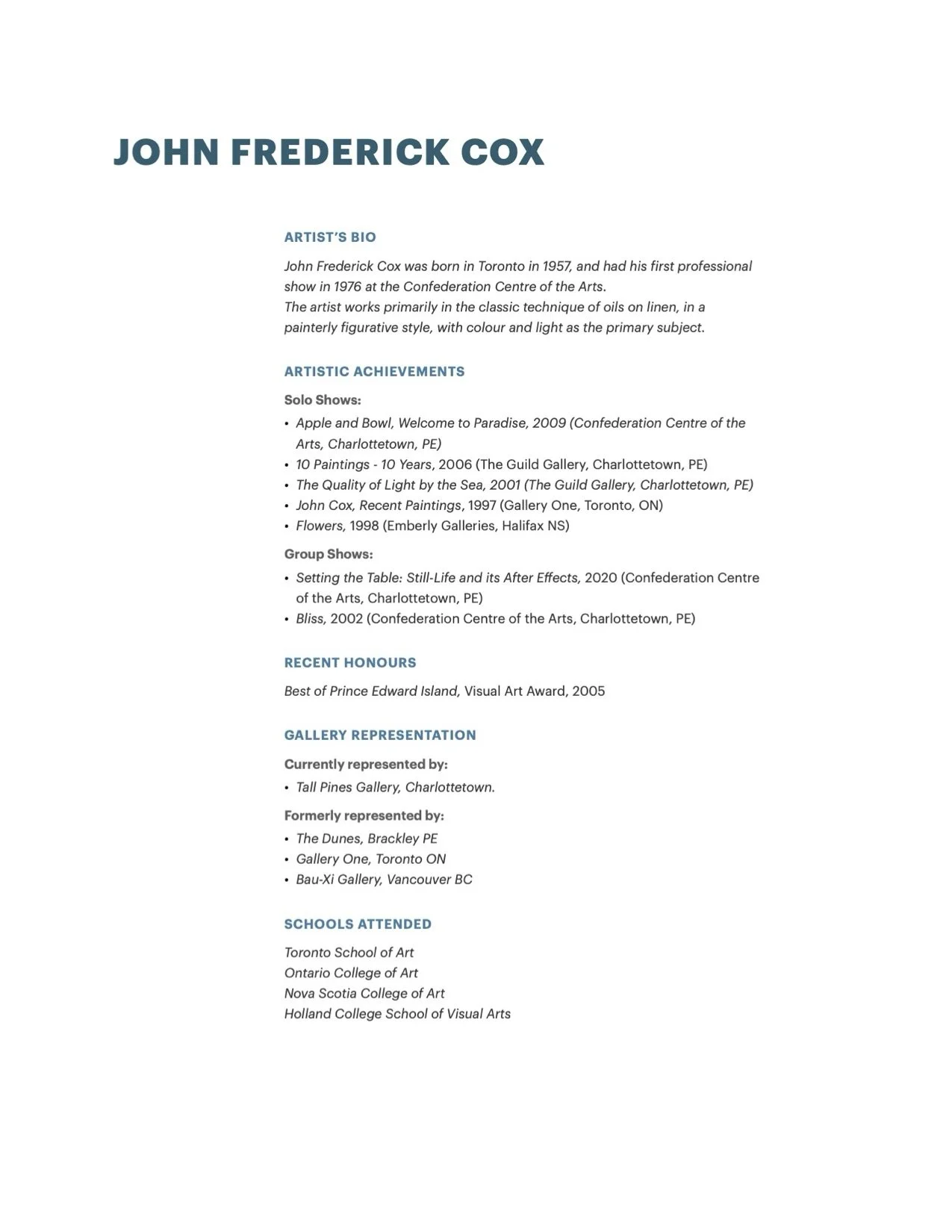
John Frederick Cox (May 6, 1957 – August 22, 2025) was an acclaimed Canadian landscape and still life painter whose work captured the natural beauty of Atlantic Canada, particularly Prince Edward Island (Epekwitk). He identified as an AuDHD artist, meaning he embraced his lived experiences with autism and ADHD, which contributed to his distinct, immersive perspective on the canvas.
Early Life and Career
Birth and Roots: Born in Toronto, Cox spent his early childhood moving between Ontario and Nova Scotia before settling in Prince Edward Island as a teenager.
Commercial Design: Before painting full-time, Cox built a multi-decade career as a graphic designer and art director in the advertising world.
The Transition: In 1999, he permanently left advertising in order to raise his children and dedicate himself full-time to fine arts. [1]
Artistic Style and Influences
Core Subject Matter: His primary passion was creating abstracted landscapes and vibrant still-life scenes. He frequently painted iconic Canadian landmarks, seaside dunes, lighthouses, waves, and floral displays.
Major Influences: Cox drew heavy inspiration from the French Impressionists and Canada’s legendary Group of Seven, aiming to build upon their traditions.
Technique: While he initially experimented with watercolors, his signature fine art career and daily output were defined by heavily layered oil paints. He frequently painted oil on linen, oil on canvas, and oil on panel, utilizing customized oil sticks and specialized glazing techniques.
Recognition and Impact
Exhibitions: His work was heavily represented at regional institutions, notably headlining the solo exhibition "Apple & Bowl, Welcome to Paradise" at the Confederation Centre of the Arts in Charlottetown in the Spring of 2009.
Awards: He received multiple distinctions over his career, including the Best of Prince Edward Island Visual Art Award in 2005.
Community Legacy: He developed a massive online social media presence where he documented his daily artistic progress. Today, his custom paintings decorate all guest rooms at The Arts Hotel in Charlottetown, PEI.
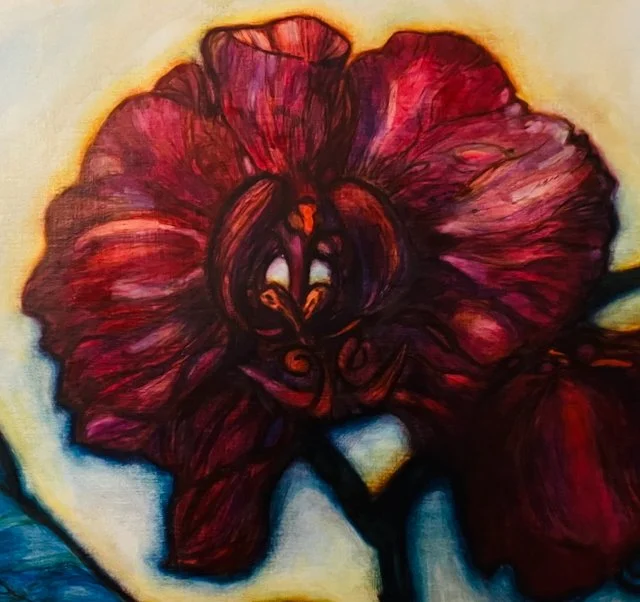
The flower depicted is a Moth Orchid. Its name is derived from the Swedish naturalist Peter Osbeck, who mistook a cluster of the flowers for a swarm of moths through his field glasses in the mid-1700s. In 1825, Dutch botanist Karl Blume officially named the genus Phalaenopsis. The name directly translates from Greek roots to mean "moth-like":
Phalaina means "moth."
Opsis means "appearance" or "resemblance."
The Moth Orchid holds deep cultural meanings and historic symbolism. Because a moth orchid blooms at its own deliberate pace and holds its flowers far longer than most standard blooms, it has become a symbol of gentle strength, patience, and quiet confidence. The bold, blood-red color symbolizes passion, deep desire, determination, and strength of spirit.